canton top Synthetic Turf Installation Professionals
canton top Synthetic Turf Installation Professionals
Blog Article
Synthetic Turf Installation: The Environmentally Conscious Solution for Your Lawn
Synthetic grass installation constitutes a practical alternative for homeowners searching for a eco-conscious lawn answer. Its toughness and reduced upkeep requirements offer considerable benefits over standard grass. As water preservation grows increasingly important, synthetic grass acts as an effective remedy to environmental challenges. Nevertheless, the determination to place synthetic turf encompasses numerous factors that warrant comprehensive analysis. Which aspects must property owners assess before undertaking the shift to this eco-friendly alternative?
Learning About Synthetic Turf: Core Qualities and Merits
Synthetic turf has developed into a popular alternative to natural grass, presenting considerable strengths for multiple applications. One of its key features is endurance; synthetic grass can withstand heavy foot traffic and extreme weather conditions without deteriorating. This toughness makes it an suitable choice for sports fields, playgrounds, and residential lawns.
Moreover, synthetic turf demands minimal maintenance as opposed to natural grass. There is no requirement for mowing, watering, or fertilizing, providing significant time and cost savings for homeowners and facility managers alike.
In addition, synthetic turf is environmentally friendly, as it conserves water and negates the need for harmful pesticides and fertilizers.
With advancements in technology, modern synthetic turf reproduces the appearance and feel of natural grass, delivering aesthetic appeal without the drawbacks. These features collectively make synthetic turf a viable and attractive option for a wide range of uses.
Setting Up Synthetic Turf: A Step-by-Step Guide
When assessing the advantages of synthetic turf, the next logical step is familiarizing yourself with the installation process.
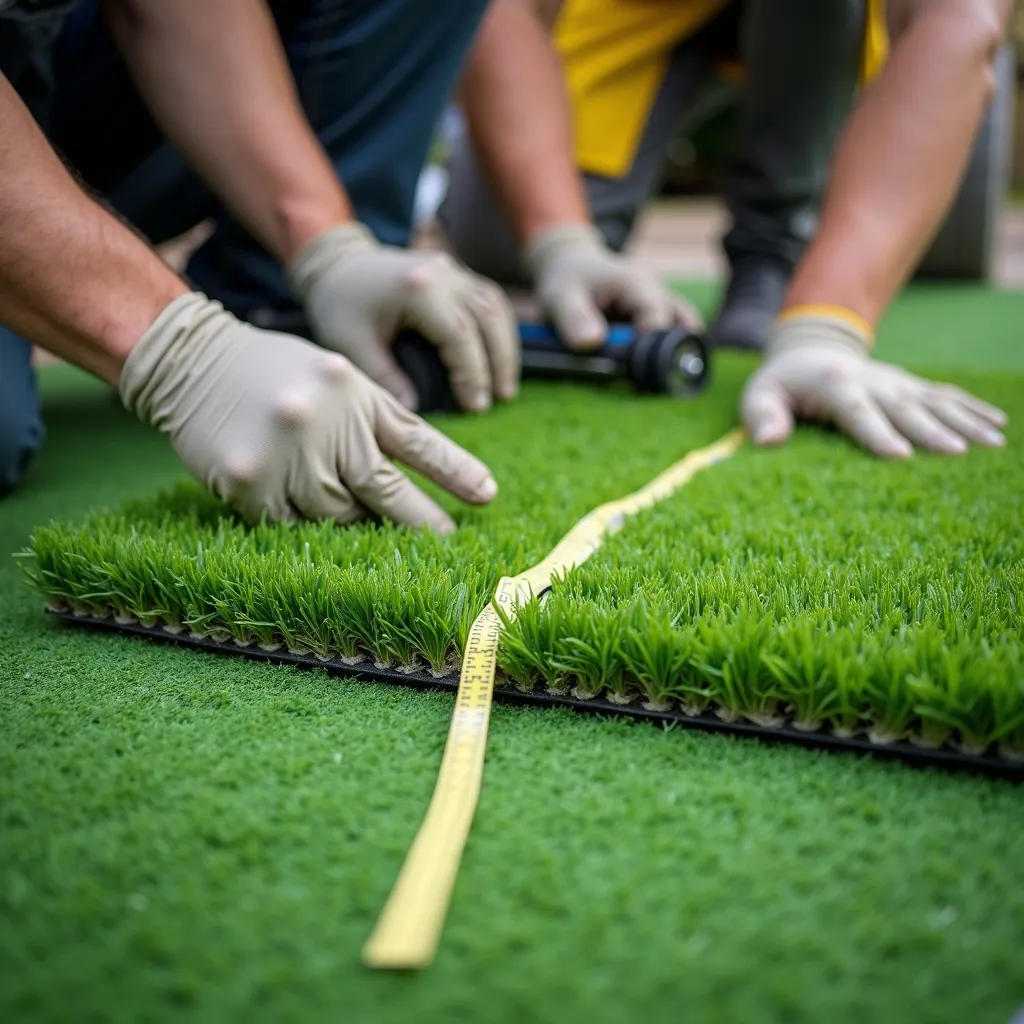
The opening phase involves site readiness, which includes clearing the area of existing grass, weeds, and debris. Next, a base layer of crushed stone or stone is positioned to ensure proper drainage and stability. Following this, a protective fabric is installed to prevent unwanted vegetation.
After preparing the base, the synthetic turf rolls are unfurled and situated, allowing for proper alignment. The edges are secured with stakes or adhesive, assuring a seamless appearance.
After placement, a section of infill material, such as rubber or sand, is distributed uniformly to give stability and weight. Finally, the turf is groomed to lift the fibers and achieve a natural look.
Following these procedures produces a durable, low-maintenance lawn that improves both visual appeal and functionality.
Why Favor Synthetic Turf? Environmental and Pragmatic Gains?
Opting for artificial grass provides numerous practical and environmental advantages that make it an appealing option for many homeowners and businesses. One significant benefit is conserving water; artificial turf eliminates the requirement for regular watering, which is particularly beneficial in arid regions.
Moreover, it lowers the dependence on toxic pesticides and fertilizers, fostering a more vibrant ecosystem.
From a practical standpoint, synthetic turf demands minimal upkeep, conserving resources and costs on lawn care. It remains vibrant and verdant throughout the year, delivering a uniform aesthetic appeal without seasonal fluctuations.
Furthermore, synthetic turf provides durability, equipped to handle heavy foot traffic and various weather conditions, making it excellent for both residential and commercial applications.
These characteristics not only enhance the usability of outdoor spaces but also add to long-term environmental responsibility, establishing synthetic turf as a attractive option for eco-aware consumers.
Essential Elements for Synthetic Turf Placement
Multiple factors must be evaluated before starting synthetic turf installation. First, it is essential to examine the intended application of the area. Various types of synthetic turf are engineered for specific uses, such as sports or residential landscaping.
Second, the local climate should be evaluated; some materials may endure heat better than others.
Site preparation is another important factor, necessitating proper drainage and a even terrain to assure longevity and functionality. Also, conceivable area rules or homeowners' association guidelines may affect installation selections.
Determining the suitable infill material is necessary for durability and comfort, as it shapes both the visual and tactile properties of the turf.
Finally, selecting a trustworthy installer can greatly influence the caliber and longevity of the installation. By considering these considerations, property owners can create well-researched choices that best meet their requirements and enhance their exterior spaces.
Regular Maintenance for Your Artificial Turf Lawn
Maintaining a synthetic turf lawn requires a regular maintenance routine to ensure its longevity and appearance.
Regular maintenance includes tackling any spots and applying fix methods as required.
Stick to a regular cleaning schedule
Preserving the appearance and longevity of synthetic turf lawns requires a consistent cleaning schedule. Routine upkeep helps prevent debris buildup, reduces odors, and improves aesthetic appeal.
Property owners should aim to clean leaves, twigs, and other natural waste at least once a week, especially during fall. Additionally, flushing the turf with water once a month can help remove dust and allergens, ensuring a fresh look.
For busy zones, increased maintenance may be required to preserve the turf's integrity. In colder months, snow and ice should be carefully removed to prevent harm to the blades.
Locating and Repair Guidelines
Detecting and resolving concerns immediately is vital for preserving the integrity of synthetic turf lawns. Regular checks should be carried out to find signs of deterioration, such as splits, tearing, or bumpy surfaces.
When a fault is found, immediate action is imperative. Minor tears can be repaired using custom adhesive or turf tape, ensuring a secure bond without undermining appearance. For larger issues, professionals may be required to replace sections of turf.
Furthermore, maintaining the base material intact is vital; any shifting can lead to further complications. Frequent brushing helps maintain an consistent surface and can also expose underlying problems.
Budget Comparison: Synthetic Turf vs. Natural Grass
When weighing the costs of artificial grass alternatives to conventional grass, initial installation expenses serve as an important element.
In addition, extended maintenance costs can significantly affect the complete monetary commitment of each option.
A full study of these factors offers meaningful findings for prospective buyers.
Beginning Installation Prices
Initial setup expenses play an essential role in the selection process for property owners and local governments evaluating synthetic turf versus natural grass.
Generally, the initial expenses for synthetic turf can vary from $5 to $20 per square foot, depending on quality and installation complexity. In contrast, natural grass installation usually costs between $1 to $2 per square foot.
However, the full expenditure in natural grass can increase markedly due to soil conditioning, watering needs, and continuous maintenance demands.
Homeowners and municipalities must balance these initial costs against the potential long-term benefits of synthetic turf, such as reduced water usage and lower maintenance requirements.
Ultimately, understanding these costs aids in making informed, sustainable landscaping choices.
Long-Term Upkeep Expenses
Prolonged maintenance expenses significantly influence the overall cost-effectiveness of synthetic turf compared to natural grass.
Upkeeping natural grass entails continuous monetary outlays, featuring regular cutting schedules, nutrient enrichment, adequate watering, and pest prevention measures, which can compound substantially over time. Homeowners may spend hundreds to thousands of dollars each year to maintain a vibrant lawn.
By contrast, artificial analysis grass needs little maintenance, chiefly occasional cleaning to clear unwanted particles. While the initial investment for synthetic turf may be greater, the reduced long-term expenses make it an appealing choice.
Moreover, synthetic turf does away with water bills tied to irrigation, further boosting its affordability over time.
Ultimately, the monetary benefits of synthetic turf maintenance can result in substantial savings for homeowners in the long run.
Dispelling Widespread Misconceptions Regarding Synthetic Turf
Although numerous individuals hold misunderstandings about synthetic turf, grasping the truth can result in informed decisions. One common myth is that synthetic turf is damaging to the ecosystem; however, many items are made from reclaimed resources and are engineered to be durable, reducing waste.
Another popular belief is that synthetic turf demands extreme heat management, but modern installations often utilize efficient cooling technologies that minimize temperature issues.
In addition, some commentators insist that synthetic turf advances synthetic chemicals; yet, enhancements in formulation have substantially reduced the demand for injurious filler materials.
Finally, the idea that synthetic grass cannot support biodiversity is deceptive; many installations can coexist with native plants, providing habitats for local wildlife.
Common Inquired Questions
How Long Does Synthetic Turf Remain Durable Before Demanding Replacement?
Manufactured turf usually functions between 15 to 25 years before needing replacement. Components influencing longevity include excellence, maintenance routines, and atmospheric circumstances, which can greatly impact its durability and overall performance over time.
Is Synthetic Turf Safe for Dogs and Cats to Utilize?
Pets can safely use synthetic turf, as it is designed to be durable and non-toxic. Regular maintenance guarantees cleanliness, making it a sensible option for pet owners looking for a easy-to-care-for, pleasant outdoor space for their animals.
Does Synthetic Turf Trap Heat in Sunny Conditions?
Certainly, synthetic turf does soak up heat in bright conditions, markedly increasing surface temperatures. This can produce discomfort for both people and animals. Regular irrigation or opting for lighter-colored grass can help diminish this heat retention.
What Alternatives Exist for Synthetic Turf Colors and Styles?
There are artificial grass options including tones such as vibrant greens, warm browns, and specialty shades. Patterns range from natural-looking imitations of natural grass to decorative styles, appealing to varied aesthetic preferences and functional needs.
How Does Synthetic Turf Affect Local Wildlife?
Synthetic grass can interfere with local animal populations by altering habitats and decreasing natural food sources. Its inflexibility may discourage certain animals from nesting or foraging, potentially leading to reduced species diversity in the affected areas.
Report this page